Visualization Through Faith:#3
“Where there is no vision, the people perish.” — Proverbs 29:18

V -Is for Visualization: How to See Possibility Before You See Results
Hey friend, today I want to share my experience and opinion on how to visualize with you. It can give you inspiration and ideas you can use on your own journey and in your personal growth. The idea behind my content is to inspire you through my experience, journey, and what I have learned from others.
Every meaningful change begins in a place that nobody else can see.
- Before a tree grows, there is a seed.
- Before a house is built, there is a blueprint.
- Before a journey begins, there is a destination in mind.
The same is true for personal growth. Before our lives change on the outside, something usually changes on the inside. We begin to see a different possibility. We imagine a better future. We picture ourselves becoming the person God created us to be.
That is the role of visualization in the GAVRA Morning Reset. Workbook is coming soon. Visit Us
Visualization is often misunderstood. Some people think it means pretending. Others think it is wishful thinking. Some have tried it, failed to see immediate results, and concluded that it does not work.
But visualization is not fantasy; it is about creating a lifestyle where you expect the results you want.
- It is about directing your mind toward a future you believe is possible.
- It is about creating a mental picture that aligns with your faith, your values, and the direction you want your life to move.
- Most importantly, it is about seeing possibility before you see evidence.
What Is Visualization?
Visualization is the practice of intentionally imagining a desired outcome or future experience.
- Athletes use it before competitions.
- Musicians use it before performances.
- Business leaders use it before important presentations.
- People recovering from illness often use it as part of their healing journey.
At its simplest, visualization means creating a mental image of something you want to experience, achieve, or become.
But in the GAVRA method, visualization is not about imagining having millions in your bank account. It is about visualizing something that resonates with your faith and feels possible within your heart.
To understand more about GAVRA, visit the first post about it. HERE
That distinction matters.
Many people try visualization by jumping immediately to enormous goals they do not truly believe in.
- They imagine winning millions of dollars.
- They imagine becoming famous.
- They imagine a completely different life overnight.
Then nothing changes.
Why?
- Because their imagination and their beliefs are moving in opposite directions.
- One part of their mind is creating the image.
- Another part is rejecting it.
The result is internal conflict.
Visualization becomes empty because the heart does not believe what the mind is trying to create.
Real visualization begins where belief begins.
My Experience with Visualization
When I first began practicing visualization, I did not start with big dreams.
I started with survival, with simple daily needs.
As a single mother raising four children, there were seasons when I worried constantly.
- How would I pay the bills?
- Would there be enough food?
- How would everything work out?
Like many people facing uncertainty, my mind naturally focused on problems.
Then, one day, during my faith journey, I was reading my Bible and realized something important.
If my imagination could create fear and chaos, it could also create faith and trust in provision.
So I began visualizing differently.
One of my affirmations was:
“God is my provider.”
- Instead of imagining lack, I pictured provision.
- Instead of imagining disaster, I imagined peace.
- I visualized my children having what they needed.
- I visualized solutions appearing.
- I visualized myself trusting God rather than worrying.
- Did I know exactly how everything would work out? No.
But I knew something even more important.
I believed that God had taken care of His creation and His people before. So He would continue to take care of His creation, and I am part of His creation.
That belief gave life to the visualization.
Looking back now, I can see that during every difficult season, God provided.
Not always in the way I expected.
Not always on my timeline.
But always faithfully and for the good.
The more I noticed His provision, the more gratitude I felt.
The more gratitude I felt, the stronger my faith became.
And the stronger my faith became, the easier it was to visualize positive outcomes.
The cycle reinforced itself.
Faith produced a visualization.
Visualization strengthened gratitude.
Gratitude strengthened faith.
Why Visualization Works: The Science Behind It
Ancient wisdom taught the power of mental imagery long before modern science began studying it.
Today, neuroscience offers fascinating insights into why visualization can be effective.
One reason involves something called the Reticular Activating System (RAS).
The RAS is a network in the brain that helps determine what information receives your attention.
Every day, millions of pieces of information compete for your awareness.
Your brain filters most of them out.
The RAS acts like a gatekeeper.
When you repeatedly focus on something, your brain begins to notice opportunities, resources, and information related to that focus.
For example, imagine buying a new car.
Suddenly, you start seeing that model everywhere.
The cars were always there.
Your attention simply became tuned to notice them.
Visualization works similarly.
When you consistently picture a desired outcome, your brain becomes more aware of opportunities that support that outcome.
Another scientific explanation comes from mental rehearsal.
Researchers have found that imagining an activity activates many of the same neural pathways involved in physically performing it.
Athletes have used this principle for decades.
Olympic competitors often mentally rehearse their events repeatedly before stepping onto the field.
Their minds practice success before their bodies perform it.
The goal is not magic.
The goal is preparation.
Visualization trains the mind to become familiar with success, confidence, and possibility.
The Missing Ingredient: Belief
Science can explain part of the visualization.
But there is another piece that many people overlook.
Belief.
A visualization that feels impossible creates resistance.
A visualization that feels believable creates alignment.
Imagine standing at the bottom of a staircase.
The first step feels reachable.
The twentieth step feels distant.
If someone asks you to jump directly to the top, your mind immediately rejects the idea.
But taking the next step feels possible.
Visualization works best when it operates consistently.
Start where your faith can genuinely agree.
Do not force yourself to believe something your heart completely rejects.
Instead, build belief gradually.
If you are struggling financially, perhaps your visualization is not becoming a millionaire overnight.
Perhaps it is seeing yourself calm and confident while God provides your next need.
If you are struggling with anxiety, perhaps your visualization is not becoming fearless instantly.
Perhaps it is imagining yourself experiencing a peaceful day.
Small, believable visions often produce bigger transformations than envisioning unrealistic fantasies.
Ancient Wisdom and the Power of Vision
The concept of visualization is not new.
Ancient traditions understood the connection between thoughts, images, and reality.
The book of Proverbs teaches:
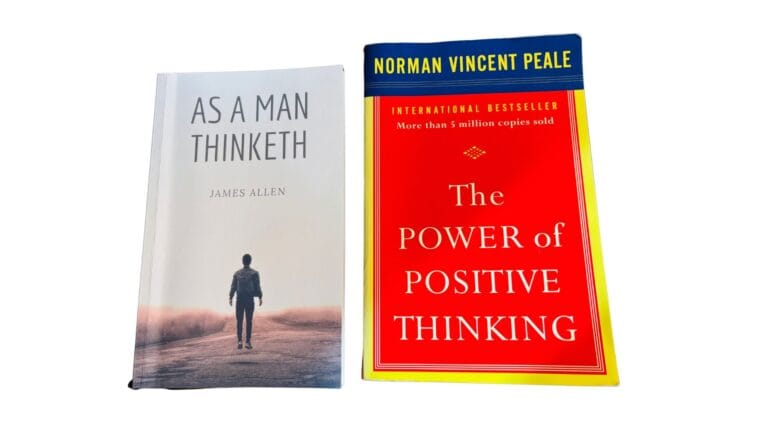
“As a man thinketh in his heart, so is he.”
This verse reminds us that our inner world influences our outer life.
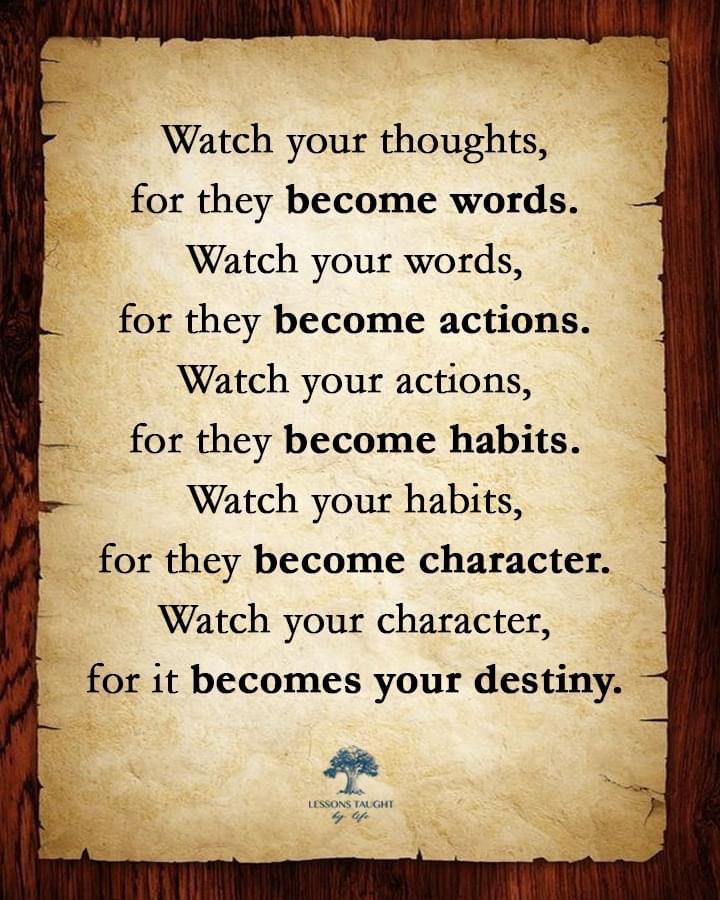
What we repeatedly dwell upon eventually shapes our attitudes, decisions, and actions.
Jewish wisdom often emphasizes the importance of directing one’s thoughts intentionally.
The mind is viewed as a garden.
Whatever receives attention grows.
Whatever is neglected weakens.
Ancient teachers understood that imagination can either become a source of fear or a source of hope.
The choice belongs to us.
The Apostle Paul echoed a similar principle when he wrote:
“Whatever is true, whatever is noble, whatever is right, whatever is pure, whatever is lovely, whatever is admirable—think about such things.”
This instruction is more than positive thinking.
It is intentional thinking.
It is choosing where the mind will dwell.
Visualization helps us put this wisdom into practice.
The Difference Between Fear Visualization and Faith Visualization
All human beings visualize every day without realizing it.
The question is not whether we visualize.
The question is what we visualize.
- Fear visualizes failure.
- Faith visualizes possibility.
- Fear imagines everything going wrong.
- Faith imagines solutions appearing.
- Fear creates mental movies of disaster.
- Faith creates mental pictures of hope.
Consider how often anxiety works.
They mentally rehearse negative scenarios repeatedly.
Their imagination becomes a tool for fear.
Visualization simply redirects that same mental power toward a healthier destination.
Instead of asking:
“What if everything goes wrong?”
Faith asks:
“What if everything works out better than I expect?”
Instead of imagining failure, we imagine faithfulness.
Instead of seeing obstacles, we see opportunities.
Instead of focusing on scarcity, we focus on provision.
How to Practice Visualization in the GAVRA Method
Visualization does not need to take long.
In fact, just two or three minutes each morning can be powerful.
Here is the process I use.
Step 1: Start with Gratitude
Begin by remembering something God has already given. And be grateful for it.
This gratitude practice creates a foundation of trust.
Gratitude reminds you that you have survived difficult seasons before.
It strengthens your confidence for today.
Step 2: Connect to Your Affirmation
Choose an affirmation that reflects truth.
For example:
- God is my provider.
- God guides my steps.
- I am growing stronger every day.
- I can face today’s challenges with courage.
- God’s peace fills my heart.
Step 3: Create a Mental Picture
Close your eyes and imagine that affirmation becoming reality.
If your affirmation is “God is my provider,” picture yourself experiencing peace instead of worry.
See yourself paying bills calmly.
See your family cared for.
See yourself trusting rather than fearing.
Step 4: Add Emotion
This step is important.
Do not merely see the picture.
Feel it.
Experience the relief.
Experience the gratitude.
Experience the peace.
Emotion helps make the visualization meaningful.
Step 5: Release the Outcome
After visualizing, let go, do not obsess, do not force.
Do not spend the day wondering how everything will happen.
Trust in God, or in the universe, in the same way the universe cares for nature, so care for us too.
Your responsibility is faithfulness and gratitude.
Visualization and Action Work Together
One misconception about visualization is that it replaces action. It does not.
Visualization prepares action.
Imagine a gardener.
Visualizing a beautiful garden does not eliminate the need to plant seeds.
But without the vision, the gardener may never begin.
Vision inspires movement.
Action produces results.
That is why visualization is followed by action, the final letter in GAVRA.
You visualize.
Then you take the next step.
Not the entire staircase.
Just the next step.
Faith without action becomes wishful thinking.
Action without vision becomes aimless effort.
Together, they create momentum.
When Visualization Feels Difficult
There may be seasons when visualization feels impossible.
You may feel discouraged.
You may be grieving.
You may be overwhelmed.
During those times, simplify.
Do not visualize a perfect future.
Visualize the next faithful step.
Visualize getting through today.
Visualize having enough strength for this moment.
Visualize one answered prayer.
Visualize one act of courage.
Or just simply practice breathing. Read more about how to do it.
The smallest vision can become the seed of a larger transformation.
A Daily Practice of Hope
Visualization is not about controlling the future.
- It is about preparing your heart for it.
- It is about choosing faith over fear.
- It is about aligning your thoughts with what you believe is possible.
- It is about seeing possibilities instead of limitations.
When combined with gratitude, affirmations, and action, visualization becomes a powerful tool for personal growth.
Not because it guarantees immediate results.
Not because it magically changes circumstances.
But because it changes the way we see those circumstances.
And often, when we change the way we see things, we change the way we respond to them.
Over time, those responses begin shaping our lives.
So tomorrow morning, take a few moments to pause.
- Close your eyes.
- Choose an affirmation.
- Picture the possibility.
- Feel the gratitude.
- Take the next step.
And trust that the seeds you plant in your mind today may become the harvest you experience tomorrow.
That is the power of visualization. Not wishful thinking.
But faith-filled vision directed toward a future that is possible, meaningful, and aligned with God’s purpose for your life.
COMING SOON